
The first and most critical factor to consider when choosing a boat is understanding the type of adventure you’re planning. Different boats are designed for different activities, and aligning your choice with your intended use is essential for safety, comfort, and enjoyment.
If you’re a fishing enthusiast, you might require a boat with ample storage and fishing features like rod holders and live wells.
For those who enjoy water sports, such as waterskiing or wakeboarding, a boat designed for speed and equipped with specialized towing features would be ideal. Meanwhile, if you are an explorer at heart and plan to tackle long, overnight voyages, a boat with living quarters, navigational technology, and a stable hull will provide the necessary comfort and functionality.
Narrowing down the primary purpose of your boat will help eliminate options that don’t meet your adventure requirements. Learn more details about padlespesialisten.
With your adventure purpose in mind, it’s important to understand the variety of boat types and their unique features.
These boats are popular for leisure cruising and are ideal for calm lakes and rivers. Pontoons provide a stable platform and often come with amenities such as sun loungers, shade covers, and sometimes even small kitchens.
As the name suggests, fishing boats are designed for anglers and come with specialized features like bait wells, rod storage, and fish finders. They range from small aluminum boats to larger offshore vessels and are suited for both fresh and saltwater environments. Find out more details about ullundertøy.
Known for speed and agility, powerboats are great for water sports enthusiasts. Their powerful engines and sleek design allow for high-speed movement, which is essential for activities like water skiing, tubing, and wakeboarding. Many powerboats also offer comfortable seating, making them a versatile choice for both high-speed activities and casual cruising. Find out more details about sup brett.
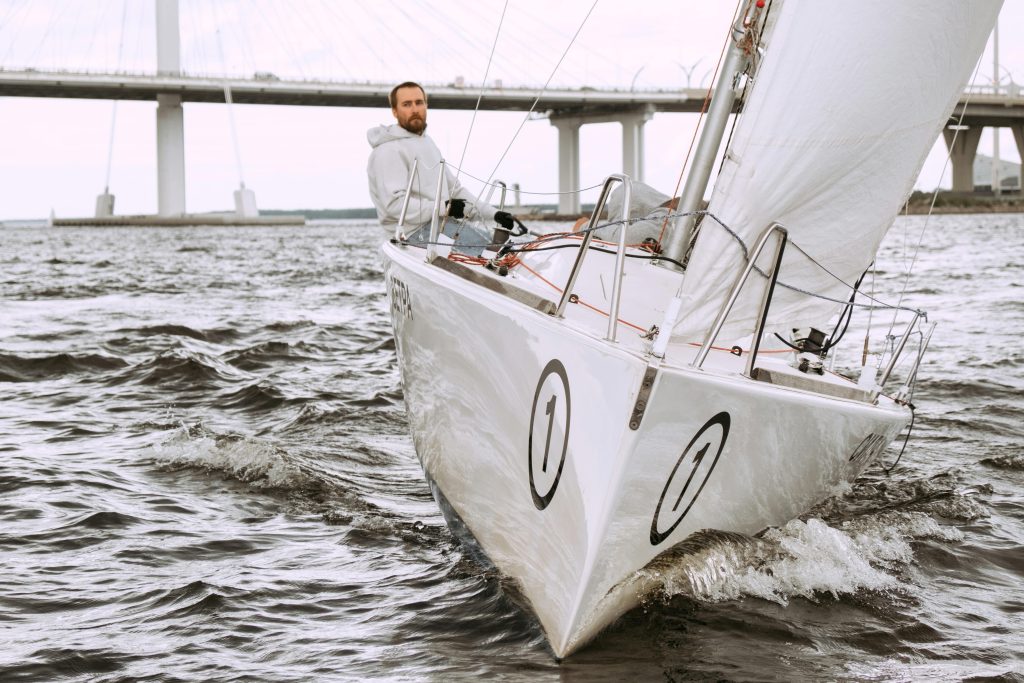
Sailing enthusiasts looking for a more hands-on experience often opt for sailboats. These boats rely on wind power and provide a unique, challenging experience as they require skillful navigation. From small dinghies to larger cruising sailboats, there’s a wide range to suit different skill levels and adventure types.
If luxury is a priority, yachts are designed with comfort and elegance in mind. They often come equipped with plush cabins, kitchens, bathrooms, and sometimes even entertainment systems. Ideal for longer trips or entertaining guests, yachts are best suited for coastal or offshore cruising.
The size and capacity of the boat you choose will depend on several factors, including the number of people accompanying you, the amount of gear you’ll need to bring, and the type of water you’ll be navigating.
The hull of a boat is one of its most critical components, as it determines how the boat handles on different types of water. Various hull shapes offer different levels of stability, speed, and suitability for certain activities.
Provide excellent stability on calm water, making them suitable for activities like fishing on lakes and rivers. However, they tend to be rougher in choppy or open water, as they’re more susceptible to waves.
V-shaped hulls are common on powerboats and speedboats, as they slice through water more easily and offer a smoother ride in rough conditions. They’re great for ocean adventures or any trip involving high speeds, though they may not be as stable as flat-bottom boats at low speeds.
Boats can be powered by different types of engines, each with its advantages and disadvantages. Outboard engines are mounted on the outside of the boat, which makes them easier to access for maintenance and repairs. They’re commonly used on smaller boats and are generally more affordable.
Inboard engines, located inside the hull, offer a cleaner look and are often used on larger, more luxurious boats. However, they tend to be more costly and challenging to maintain.
Budget plays a significant role in boat selection, as it not only affects the initial purchase but also the ongoing costs associated with maintenance, storage, and fuel. It’s essential to consider the long-term costs of owning a boat. Smaller, simpler boats with fewer amenities will generally have lower maintenance costs, while larger, more luxurious boats like yachts can have significant upkeep expenses.
When budgeting, also factor in the cost of safety equipment, docking fees, storage (if you don’t have a place to store it at home), and insurance.